Building safety and risk management is an Asset Intelligence outcome

Structured, governed safety‑critical information that accountable persons can rely on to reduce risk and act with confidence.
Safety depends on accurate and accessible information. Many organisations struggle with scattered documents, outdated records and inconsistent safety processes. These gaps increase risk and make it harder to protect people and meet regulatory obligations.
Glider helps organisations achieve better building safety and risk management outcomes by giving them a reliable information foundation. You gain a structured, governed view of safety‑critical assets, risks and responsibilities across your estate.
When your safety‑critical data is structured and governed, you can act faster, reduce risk and make more confident decisions.
Building safety and risk management outcomes with Glider
From a safety and compliance perspective, building safety delivers value primarily by reducing risks. Accurate, governed information enables duty holders to demonstrate compliance, manage safety‑critical assets and respond confidently to inspections, incidents or change. Without reliable information, safety risk increases even when physical controls are in place.
Using Asset Intelligence, organisations can:
- Strengthen safety decisions with trusted and structured data
- Identify and manage risks earlier in the building lifecycle
- Maintain current records for inspections and audits
- Reduce the likelihood of missing or outdated information
- Support safety case development with verified data
- Improve communication across owners, operators and maintainers
- Keep safety information aligned to regulatory expectations including the Building Safety Act
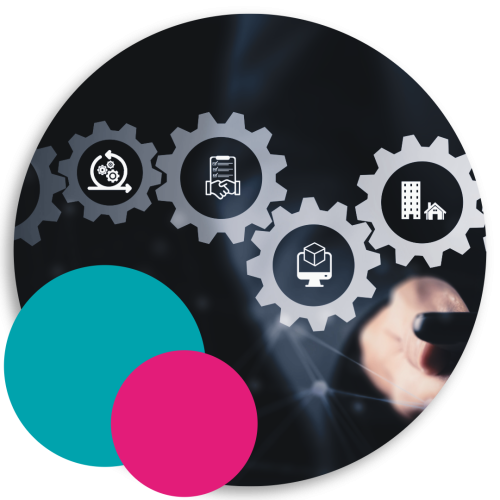
How safety and risk management outcomes support Asset Intelligence
Building safety and risk management is primarily a risk‑reduction outcome of Asset Intelligence. Asset Intelligence brings structure, governance and continuity to safety‑critical information so teams can identify hazards earlier, act faster and reduce exposure throughout the lifecycle.
Using Asset Intelligence, organisations can:
- Maintain an accurate register of safety‑critical assets
- Track changes with full audit trails
- Connect operational data to design intent
- Give accountable persons confidence in the information behind their decisions
- Reduce safety risks through improved transparency
Asset Intelligence helps you deliver better building safety and risk management outcomes through reliable data at every stage.
Features that support building safety and risk management
- Centralised repository for safety‑critical information
- Structured asset data linked to risks, controls and documentation
- Version control with a full audit history
- Configurable workflows for reviews and approvals
- Change management tools for safety‑relevant updates
- Integration with models, digital handover information and operational systems
- Secure permissions for sensitive safety data
- Support for safety case reports, risk assessments and statutory inspections

Benefits for safety leaders and duty holders
- Faster access to accurate safety information
- Greater visibility of risks and safety performance
- Reduced reliance on outdated documents
- Improved collaboration between safety, FM and operational teams
- Stronger evidence during audits
- More consistent decision‑making across the estate
- A trusted safety information foundation from design to operation
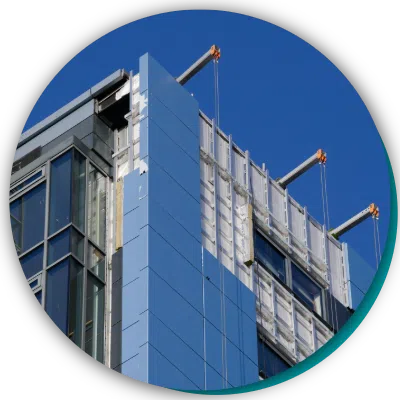
Supporting safety across the building lifecycle
Plan & design
Define structured information requirements that support safer outcomes.

Deliver & handover
Validate and deliver complete safety and O&M information into day‑one operations.

Maintain & operate
Keep safety information current and governed to support inspections and compliance.

Optimise & futureproof
Use safety data to support analytics, digital twins and smarter long‑term decisions.

Turning safety information into safer outcomes
Glider supports organisations with strategy, data improvement and long‑term safety management. We help teams build the reliable information layer needed for confident safety decisions across every stage of the lifecycle.

Our customers